


In today’s fast-paced world, stress has become a common experience for many people. From work pressures to personal responsibilities, stress can take a toll on your mental and physical health. Effectively managing stress is crucial for leading a balanced, fulfilling life. This article will explore various stress management techniques that can help you navigate challenges and improve your overall well-being.
Why Stress Management is Important
Understanding the significance of stress management is vital for several reasons:
- Physical Health: Chronic stress can lead to serious health issues, including heart disease, obesity, and diabetes. Managing stress can help reduce these risks and promote a healthier lifestyle.
- Mental Health: High-stress levels are linked to anxiety and depression. Learning to cope with stress can improve your emotional resilience and mental well-being.
- Improved Relationships: Managing stress effectively can enhance your interactions with others, fostering better communication and reducing conflict.
- Enhanced Productivity: Stress can hinder your focus and productivity. By managing stress, you can increase your efficiency and effectiveness in both personal and professional tasks.
Effective Stress Management Techniques
1. Practice Mindfulness and Meditation
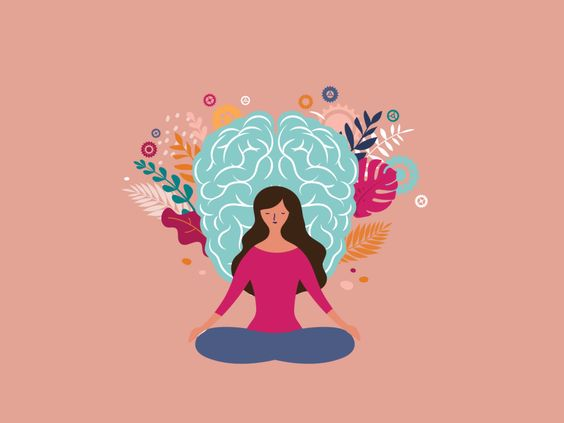
Mindfulness involves being fully present in the moment without judgment. Engaging in mindfulness practices, such as meditation or deep breathing exercises, can help calm your mind and reduce stress. Spend just a few minutes each day focusing on your breath or using guided meditation apps to find peace.
2. Regular Physical Activity
Exercise is a powerful stress reliever. Physical activity releases endorphins, which are natural mood lifters. Aim for at least 30 minutes of moderate exercise most days of the week. Activities like walking, jogging, yoga, or dancing can help you manage stress and improve your overall health.
3. Establish a Routine
Having a daily routine can provide structure and predictability in your life, helping to reduce stress levels. Set specific times for work, exercise, meals, and relaxation to create a balanced schedule that allows you to manage your time effectively.
4. Connect with Others
Social support plays a crucial role in stress management. Reach out to friends, family, or support groups to share your feelings and experiences. Connecting with others can provide emotional support, encouragement, and new perspectives on challenges.
5. Limit Caffeine and Sugar Intake
While caffeine and sugar may provide temporary energy boosts, they can lead to increased anxiety and stress in the long run. Try to reduce your consumption of caffeinated beverages and sugary snacks, opting for water and healthy foods instead.
6. Practice Time Management
Effective time management can help you stay organized and reduce stress. Use planners or digital tools to prioritize tasks and set realistic deadlines. Break larger tasks into smaller, manageable steps to prevent feeling overwhelmed.
7. Engage in Hobbies
Taking time for hobbies and interests can provide a much-needed break from stress. Whether it’s painting, gardening, reading, or playing a musical instrument, engaging in enjoyable activities allows your mind to relax and recharge.
8. Establish Boundaries
Learning to say no and setting boundaries can protect your mental health. Avoid overcommitting to tasks or obligations that may lead to stress. Focus on what truly matters and prioritize your well-being.
9. Get Adequate Sleep
Quality sleep is essential for effective stress management. Aim for 7-9 hours of sleep each night. Establish a bedtime routine, create a comfortable sleep environment, and limit screen time before bed to improve your sleep quality.
10. Seek Professional Help
If stress becomes overwhelming or unmanageable, consider seeking help from a mental health professional. Therapy or counseling can provide valuable tools and strategies for coping with stress and improving your overall mental health.
Conclusion
Managing stress is essential for a healthier, more balanced life. By implementing these techniques, you can reduce stress levels, improve your mental and physical well-being, and navigate life’s challenges more effectively. Remember that stress management is a continuous process, and finding what works best for you may take time. Prioritize your health and happiness by actively engaging in stress-reducing practices today.
