


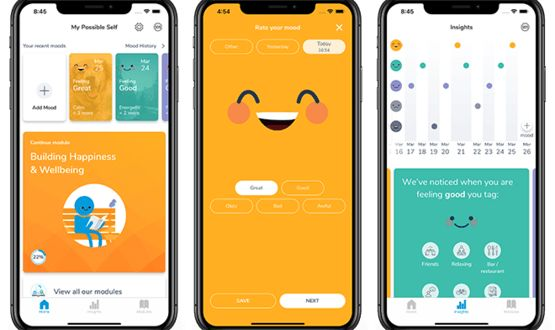
Mental health apps are no longer just a trend—they’ve become high-demand digital wellness tools with millions of users worldwide. But here’s the truth: not all apps work. The best ones are backed by clinical research, behavioral psychology, and real user engagement.
In this expert-reviewed guide, we break down the best mental health apps that actually deliver results, based on scientific evidence, therapist recommendations, and real-world feedback.
🧠 Why Mental Health Apps Are Effective (When Done Right)
Mental health apps can help improve stress, anxiety, sleep, and emotional resilience—but only if they use evidence-based techniques like CBT (Cognitive Behavioral Therapy), mindfulness, and mood tracking.
- Apps with guided meditation and therapy tools show measurable improvements in stress and depression
- Research on apps like Headspace shows up to 28% reduction in negative emotions in controlled trials
- AI-powered mental health apps are now proving increased resilience and reduced loneliness in clinical trials
👉 However, experts warn: many apps still lack scientific validation—so choosing the right one is critical.
🥇 1. Calm – Best for Stress & Sleep Management


6
Best for: Anxiety relief, sleep improvement, daily relaxation
Calm remains one of the top-rated mental wellness apps globally, known for its relaxing design and powerful sleep tools.
✔ Key Features:
- Guided meditation & breathing exercises
- Sleep stories & calming music
- Daily mindfulness programs
🔬 Expert Insight:
Studies show Calm can reduce stress and improve mindfulness, especially with consistent use
👍 Why It Works:
- Easy for beginners
- Strong habit-building system
- Therapist-recommended for stress routines
🥈 2. Headspace – Best Science-Backed Meditation App


7
Best for: Structured mindfulness training & focus
Headspace is often called the “gym for your mind”, offering structured programs backed by research.
✔ Key Features:
- Step-by-step meditation courses
- 3-minute “SOS” sessions for anxiety
- Focus & productivity training
🔬 Expert Insight:
- 75% of clinical trials show improvement in depression symptoms
- Reduces stress, improves focus, and boosts well-being
👍 Why It Works:
- Science-backed methodology
- Great for beginners who need structure
- Proven short-term and long-term benefits
🥉 3. Talkspace – Best Online Therapy App


6
Best for: Real therapy with licensed professionals
Unlike meditation apps, Talkspace connects users with licensed therapists via chat or video.
✔ Key Features:
- Live therapy sessions
- Messaging with licensed therapists
- Insurance coverage options
🔬 Expert Insight:
Apps like Talkspace are considered among the most clinically reliable digital mental health tools
👍 Why It Works:
- Real human interaction
- Suitable for moderate mental health issues
- Flexible and private
🤖 4. Woebot – Best AI Mental Health Assistant


6
Best for: Instant emotional support & CBT tools
Woebot uses AI-driven conversations to provide mental health support anytime.
✔ Key Features:
- CBT-based chatbot conversations
- Mood tracking & emotional insights
- 24/7 availability
🔬 Expert Insight:
AI-driven apps are showing measurable improvements in emotional well-being and resilience
👍 Why It Works:
- Immediate support without waiting
- Personalized responses
- Ideal for mild anxiety & daily stress
📊 5. Daylio – Best Mood Tracking App


7
Best for: Self-awareness & habit tracking
Daylio is a powerful tool for tracking mood patterns and behaviors over time.
✔ Key Features:
- Simple daily mood logging
- Habit tracking
- Visual analytics
🔬 Expert Insight:
Mood tracking apps help users identify behavioral patterns linked to mental health improvements
👍 Why It Works:
- Builds long-term awareness
- Data-driven self-improvement
- Extremely easy to use
💬 Real User Insights (From Reddit Community)
Here’s what real users say about these apps:
“Headspace helped me rebuild my meditation habit with short sessions.”
“Calm’s sleep stories are what I use every week.”
“Apps work best when they help you stay consistent, not just motivated.”
👉 Key takeaway: Consistency matters more than the app itself.
⚠️ Do Mental Health Apps Really Work?
✔ YES — if they are:
- Evidence-based (CBT, mindfulness)
- Used consistently
- Matched to your specific needs
❌ NO — if they:
- Lack scientific validation
- Are used passively without engagement
- Replace professional care for serious conditions
Experts emphasize that apps are support tools—not full replacements for therapy.
🏆 Final Verdict: Which App Should You Choose?
| Goal | Best App |
|---|---|
| Reduce stress & sleep better | Calm |
| Learn meditation scientifically | Headspace |
| Talk to a real therapist | Talkspace |
| Get instant AI support | Woebot |
| Track emotions & habits | Daylio |
